





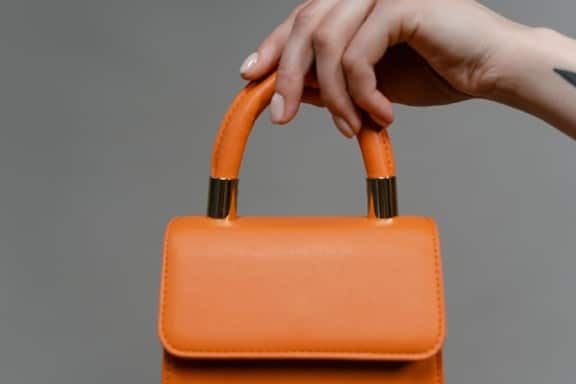
Handbags are way more than just places to stuff your keys and phone. They’ve become these powerful symbols that say something about who you are (or who you want people to think you are). And when we’re talking about the really iconic brands, that’s where things get interesting.
I’ve always been fascinated by how certain handbag brands can literally make people wait years for a single bag. Or how carrying the “right” purse can open doors at fancy restaurants. It sounds ridiculous when you say it out loud, but here we are.
The Stories Behind the Names
Take Hermès, for example. Most people don’t realize this company started making horse saddles back in the 1800s. Fast forward to today, and their Birkin bags are basically the holy grail of handbags. There’s something almost mythical about them. You can’t just walk into a store and buy one. You need connections. You need history with the brand. It’s like some exclusive club that happens to revolve around leather goods.
Then there’s Chanel with those quilted bags that scream, “I’ve made it.” Coco Chanel didn’t just design accessories. She created an entire attitude. When you see someone carrying that classic flap bag, you immediately think elegance, sophistication, maybe a little bit of French mystique.
And let’s not forget about brands like Dooney & Bourke, which took a completely different approach. They said, “Hey, what if luxury could be fun and accessible?” Their colorful, playful designs proved that you don’t need to be stuffy to be stylish.
The Money Game
The luxury handbag market is worth billions. These aren’t just fashion companies; they’re economic powerhouses. Louis Vuitton alone generates more revenue than some small countries’ entire GDP.
But it’s not just about the money flowing to corporate headquarters. Think about all the artisans in Italy hand-stitching leather. The marketing teams in New York. The retail workers in Tokyo. One iconic handbag can support hundreds of jobs across the globe.
What really blows my mind is how these brands can charge $5,000 for a bag and still have waiting lists. That’s some serious brand power right there.
More Than Fashion Statements
These bags have become cultural symbols. A Chanel bag represents female empowerment and independence. It says, “I’m successful, and I’m not apologizing for it.”
Dooney & Bourke tapped into something uniquely American: this idea that luxury doesn’t have to be intimidating. Their bags feel approachable, like that friend who’s put-together but still fun to hang out with.
These brands don’t just follow culture; they shape it. They influence how we think about success, femininity, and self-expression. That’s pretty powerful for what’s essentially a fancy container.
The Psychology of Desire
Ever wonder why people obsess over these bags? It’s not really about the leather or the stitching (though those matter). It’s about what owning one represents.
Hermès figured this out decades ago. By making their bags nearly impossible to get, they created this incredible sense of desire. The harder something is to obtain, the more we want it. It’s basic human psychology, and they’ve mastered it.
Other brands play different games. Some focus on heritage and craftsmanship. Others emphasize innovation and sustainability. But they’re all selling the same thing underneath: the feeling of being special.
What’s Next?
The industry’s changing fast. Younger consumers care about sustainability. They want to know their bag wasn’t made by exploiting workers or destroying the environment. Brands like Gucci are scrambling to adapt, launching eco-friendly lines and transparent supply chains.
Social media has changed everything, too. Now a bag’s Instagram-worthiness matters as much as its craftsmanship. Brands are collaborating with influencers and creating limited editions specifically designed to go viral.
But here’s what hasn’t changed: people still want to feel special. They want to own something beautiful, something with a story. Whether that’s a vintage Chanel or the latest sustainable innovation, the emotional appeal remains the same.
The Bottom Line
Iconic handbag brands have somehow managed to turn functional accessories into cultural artifacts. They’ve created entire ecosystems around desire, exclusivity, and self-expression.
Love them or hate them, you can’t deny their impact. They employ thousands of people, influence fashion trends, and shape how we think about luxury and success. Not bad for what started as simple bags to carry our stuff.
Next time you see someone carrying one of these iconic pieces, remember: you’re not just looking at a handbag. You’re seeing decades of marketing genius, cultural influence, and human psychology all stitched together into one very expensive package.


