


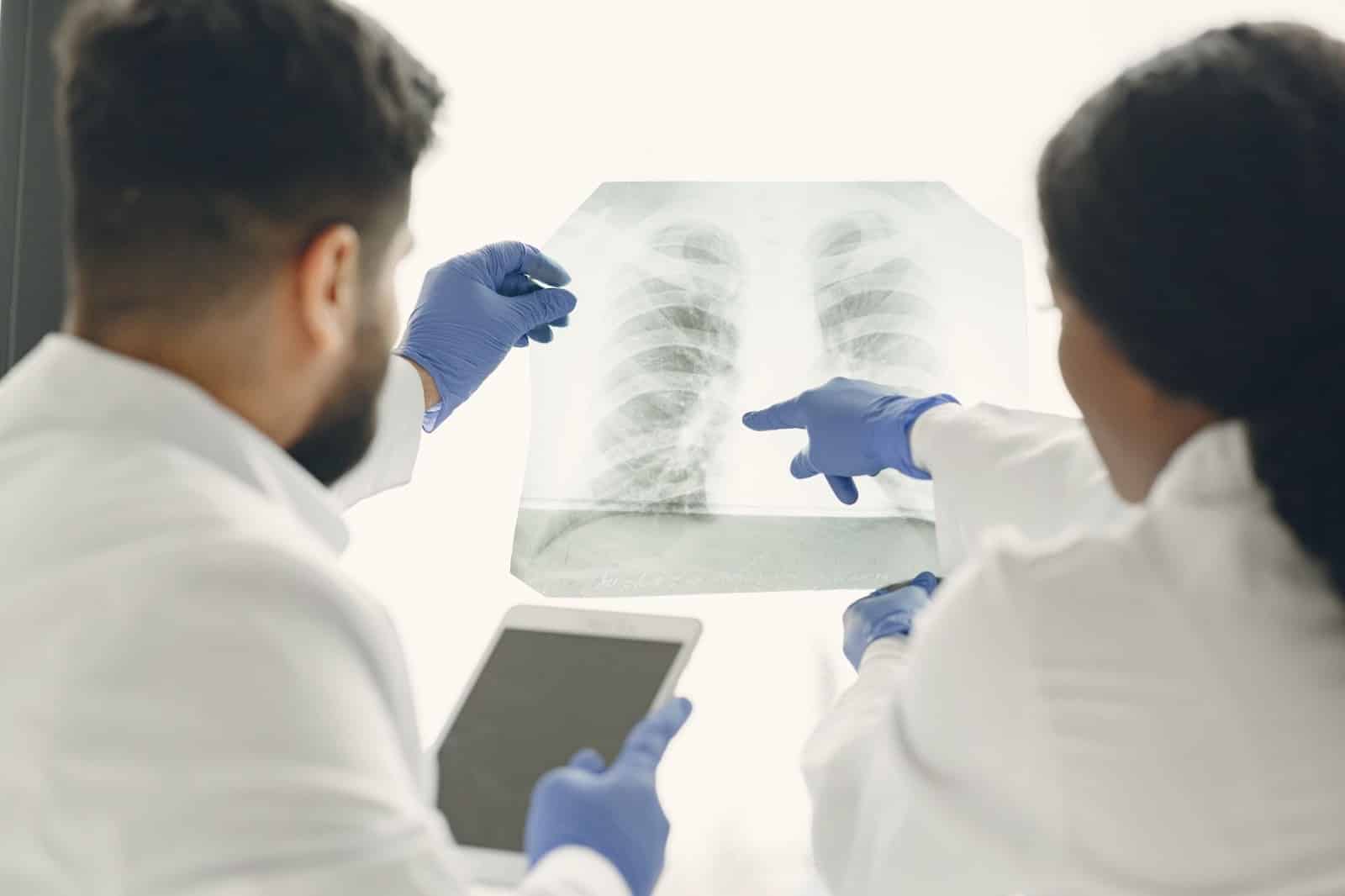
Air quality is an important but often ignored part of staying healthy. Every breath we take can carry tiny particles and chemicals that enter our lungs without causing pain or obvious problems. Since the damage occurs slowly, many people don’t notice it until it becomes serious. This makes the air we breathe a quiet but powerful factor in our long-term health. This article explains why clean air matters and how poor air quality can harm your lungs over time.
How Air Pollutants Enter and Affect the Respiratory System
When we breathe, air travels through our nose or mouth, down the airway, and into the lungs, where it reaches tiny sacs called alveoli. These alveoli are where oxygen passes into the bloodstream and carbon dioxide leaves the body.
Unfortunately, harmful substances in the air, like fine particulate matter (PM2.5), volatile organic compounds (VOCs), and other toxins, follow this same pathway. Because they are so small, they can penetrate deep into the lungs and sometimes enter the bloodstream.
The lungs have natural defenses, such as mucus and tiny hair-like structures called cilia, that trap and remove some pollutants. However, continuous exposure to harmful particles can overwhelm these defenses that allow toxins to build up over time. This gradual accumulation can irritate lung tissue, reduce lung function, and increase the risk of serious respiratory illnesses.
Common Indoor and Outdoor Pollutants You May Not Notice
Inside homes, common culprits include cleaning chemicals, cigarette smoke, radon gas, mold, and chemicals released from furniture or building materials, known as off-gassing. Outdoor air can be polluted by traffic emissions, industrial byproducts, and even wildfire smoke carried by the wind.
Some pollution is visible, like smog or smoke, but many harmful substances are invisible and odorless. Modern lifestyles can also increase exposure indoors, as people spend more time inside poorly ventilated spaces and use products that release chemicals into the air.
The Long-Term Health Consequences of Poor Air Quality
Long-term exposure to poor air quality can have serious effects on the lungs and overall health. Tiny particles and toxins can irritate lung tissue over time, leading to chronic inflammation and a gradual reduction in lung capacity. This can make it harder to breathe and reduce the body’s ability to take in oxygen efficiently.
Poor air quality also increases the risk of developing conditions like asthma, chronic obstructive pulmonary disease (COPD), and even cardiovascular strain. At the cellular level, continuous exposure to pollutants can cause mutations that contribute to long-term health problems.
Notably, prolonged contact with harmful particles is linked to lung cancer, even in people who have never smoked. The danger is often silent: damage builds slowly, and symptoms may not appear until significant harm has occurred. Since the effects are gradual, many people do not realize the risks until their lung health is already compromised, making awareness and prevention crucial.
High-Risk Groups Who Face More Severe Effects
Certain groups are more vulnerable to the effects of poor air quality because their lungs or immune systems are less able to handle pollutants. High-risk groups include:
- Children: Developing lungs absorb more pollutants, increasing the chance of respiratory problems.
- Older adults: Reduced lung function and slower tissue repair make them more prone to chronic conditions.
- Individuals with compromised immunity: People with illnesses or on certain medications are less able to fight off harmful toxins.
- Workers in high-exposure environments: Construction sites, factories, and chemical plants often expose employees to higher concentrations of pollutants.
How to Identify When Air Quality Is Affecting Your Health
Some subtle signs include a persistent cough, unexplained fatigue, morning congestion, or frequent respiratory infections. These symptoms may seem minor at first, but noticing patterns can provide important clues.
For example, if symptoms improve when you are away from certain environments, such as your home, workplace, or high-traffic areas, it may indicate that air quality is a contributing factor. Healthcare providers can help confirm the impact of air pollution through diagnostic steps, such as spirometry tests to measure lung function or a detailed exposure history review to track potential sources of pollutants.
Protecting Yourself: Practical Steps to Reduce Exposure
Protecting yourself from poor air quality involves practical steps you can take every day. Start by improving indoor ventilation. Open windows when the air outside is clean and use exhaust fans to reduce trapped pollutants.
Air purifiers with HEPA filters can help remove fine particles from indoor spaces. Reducing the use of chemical cleaners and choosing low-emission household products also limits the number of toxins released into the air.
Monitoring air quality outside can guide your daily activities. Many apps provide real-time updates on pollution levels, helping you decide when it’s best to stay indoors. When exposure is unavoidable, such as during cleaning, construction work, or on highly polluted days, wearing protective masks can reduce the amount of harmful particles you breathe in.
When Exposure Already Causes Serious Illness: Understanding Your Options
In some cases, exposure to harmful air pollutants can lead to serious lung damage or lung cancer. When this happens, individuals may have legal rights to seek compensation. Specialized claims exist for situations such as workplace exposure, environmental contamination, or prolonged contact with toxic substances.
Some may also qualify for workplace accommodations or government assistance if their illness resulted from occupational exposure. Understanding these options can help affected individuals access medical support, recover costs, and hold responsible parties accountable.
Resources on Lung Cancer Claims explain how to pursue legal action and the steps involved in filing a case. Patients can also explore support programs, medical advocacy services, and counseling to help manage treatment costs and deal with healthcare systems.
Endnote
Air quality plays a quiet but powerful role in long-term lung health. The damage from pollutants often builds slowly, making it easy to overlook until serious problems arise. Awareness of the risks, combined with timely action, is essential for prevention. Paying attention to the air around us and taking consistent actions can make a difference in protecting lung health.